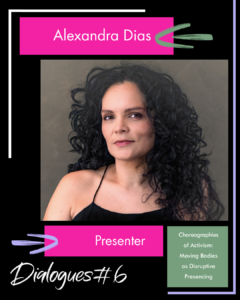
This paper proposes the porous body as an embodied methodology of ecological resistance emerging through praxis-‐led performance research. Building on previous investigations into the “holed body” developed through anthropophagic choreographic practice, the study expands this concept towards an ecological understanding of embodiment grounded in relationality, and more-‐than-‐human coexistence. The paper argues that porosity is cultivated through artistic practice as a mode of bodily knowing that challenges dominant logics of autonomy, productivity, and separation. The discussion draws upon the collaborative creation of Dream Shadow Silence, an ongoing performance developed by OUTRO Dances following the catastrophic floods that affected southern Brazil in 2024. Through improvisation, somatic practices, collective dreaming, and collaborative dance composition, the creative process generated choreographic strategies. Engaging the work of Donna Haraway, Davi Kopenawa, Ailton Krenak, Hanna Limulja, and practice research scholarship, the paper suggests that dance can operate as a site where ecological relations are not simply represented but rehearsed. The porous body therefore emerges as a practice of relational becoming through which artistic research cultivates alternative modes of inhabiting a world increasingly shaped by climate collapse and extractivist forms of existence.
Biography: ALEXANDRA DIAS
Alexandra Dias is a Brazilian dance artist, scholar, and professor at the Federal University of Pelotas (UFPEL). Her work bridges artistic practice and critical research through a praxis-led, interdisciplinary approach. She holds a PhD in Dance from the University of Roehampton (UK), an MA in Performing Arts, and a BA in Theatre from UFRGS. At UFPEL, she teaches dance composition, contemporary dance, somatics, and research methodologies in the arts. Her research investigates the body as a site of transformation, developing the concept of the “porous” or “holed” body as a mode of resistance, relationality, and ecological becoming. As director of OUTRO Dances, she creates works across dance, theatre, film, and performance, contributing to decolonial and practice-based approaches to knowledge production in the arts.