Complemented with Indian Classical Dance and piano, the presentation draws on the meanderings of creativity at the intersection of migration, belonging, and lnterculturality. These ideas are delineated through autoethnographic insights into kolam – a remediation of a South Indian colloquial art form. In so doing, we integrated the commonalities of our respective practices, classical trainings, and cultural contexts to develop a work that crosses over and negotiates changing identities. In combining these aspects, something new emerged. An important theme of kolam is the interplay of feeling ‘at home’ and deterritorialisation. This not only reflects cultural tensions, but it mirrors the tensions inherent to negotiating our professional identities as ‘researchers’ / ‘artists’. The process of creating and performing kolam was (and is) enacted as a means of celebrating these inseparable aspects of our identities. Like at the Mother Tongues Festival, this performance-based presentation carves out a space for this approach to practice-research.
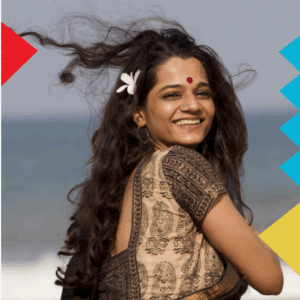
Subhashini Goda is a multidisciplinary artist and academic specialising in bharatanatyam. She has just completed her PhD in dance anthropology/cultural studies and her research interests centre on migration, place-making, and transgressive rituals. She has showcased her work at multiple festivals, engaging with local communities, and has presented her research at multiple conferences. Subhashini’s research is published and forthcoming in Dance Articulated, Routledge Critical Contemporary Choreography Reader and Bloomsbury Book of Popular Studies and her artistic practice has been nurtured through Arts Council Ireland, Dublin Fringe Festival, and Cois Ceim Dance Theatre.